 Company website

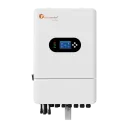







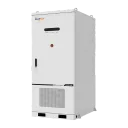



How many hours a battery gives
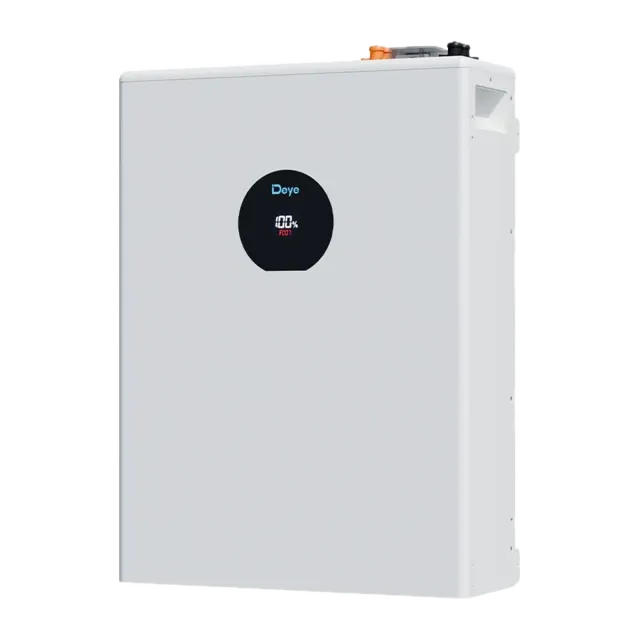
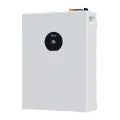 Deye 5.12 kWh 11 h 11 h
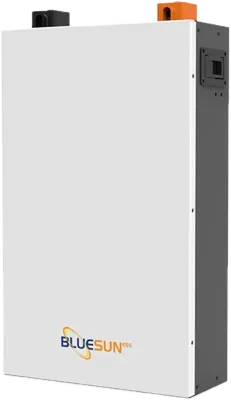
 Bluesun 10.24 kWh 23 h 23 h
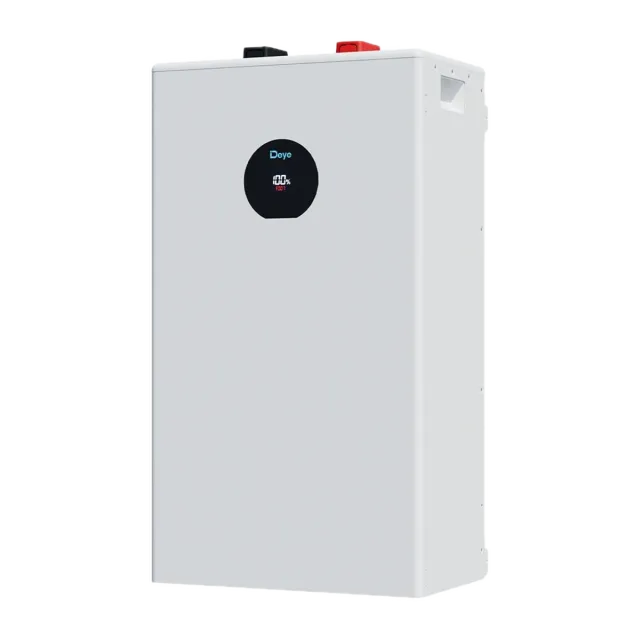
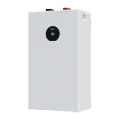 Deye 16 kWh 36 h 36 h
The battery’s usable energy divided by the average power, rounded down. The inverter uses power too, so in practice it is a little less.
How to calculate
A 10.24 kWh battery gives 9.2 kWh. If the house uses 0.4 kW on average during an outage, it will last about 23 hours: 9.2 ÷ 0.4.
A fridge, a boiler and pumps switch on and off, so you count the average power over an hour, not the one on the label. Typical values our calculator works with:
- Fridge
- 0.06 kW start-up 0.6 kW
- Lighting
- 0.1 kW start-up 0.2 kW
- Router, TV, laptops
- 0.12 kW start-up 0.3 kW
- Gas boiler and pumps
- 0.12 kW start-up 0.3 kW
- Well pump
- 0.15 kW start-up 1.5 kW
- Water heater
- 0.6 kW start-up 2 kW
- Washing machine
- 0.25 kW start-up 2.2 kW
- Air conditioner
- 0.7 kW start-up 1.5 kW
- Electric stove
- 0.6 kW start-up 3 kW
- Heat pump
- 1.2 kW start-up 3.5 kW
Typical values, not measurements: your appliances may differ.
The battery gives the hours, the inverter the power
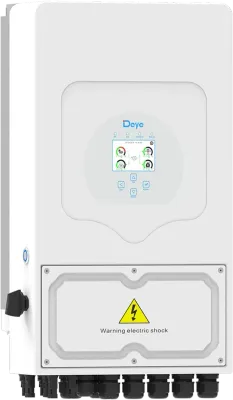
The battery decides how many hours, the inverter how many appliances run at once. When starting, a pump or a fridge briefly draws several times more than while running. Without the grid, the 5 kW Deye hybrid delivers double power for 10 seconds; the 5.5 kW Bluesun, a peak of 10 kVA.