 Company website

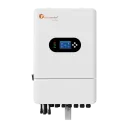


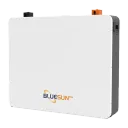






Voltage: a 48 V battery for a 48 V inverter
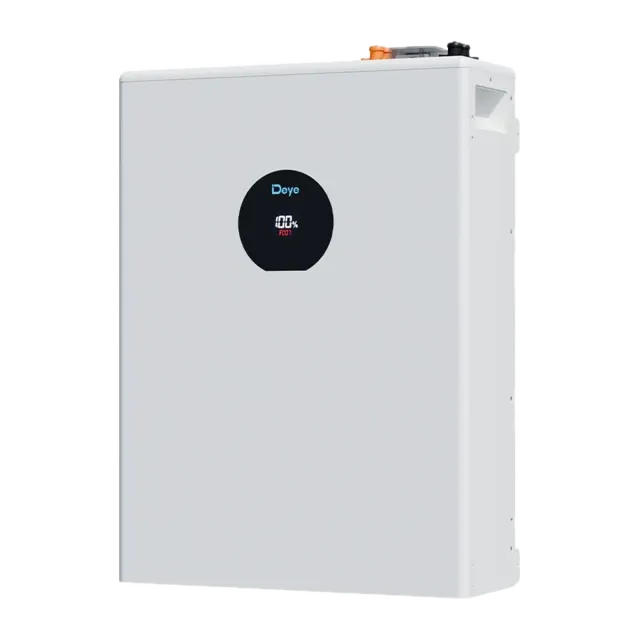
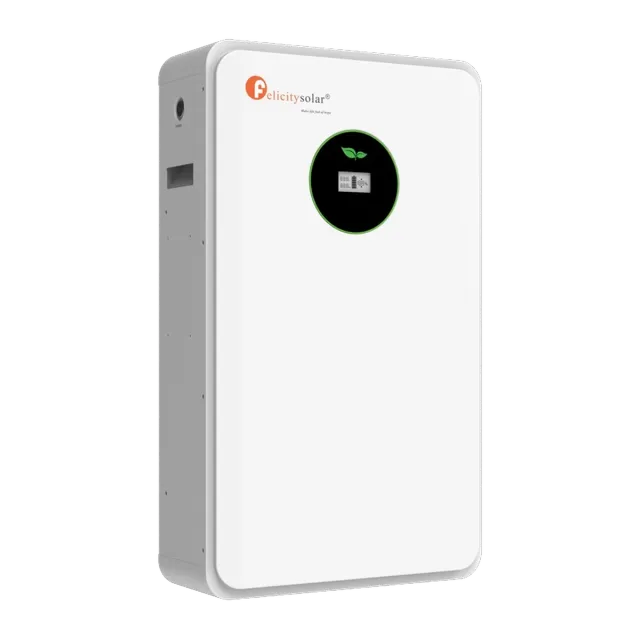
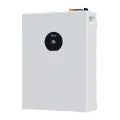
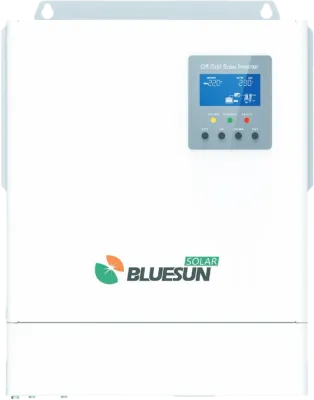
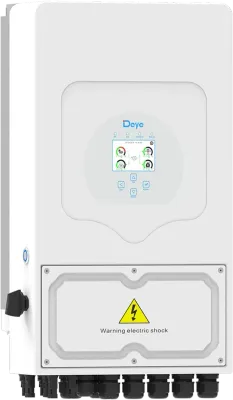
Deye, Felicity and the 5.5 and 11 kW Bluesun hybrid inverters are designed for a 48 V battery. The Deye and Felicity IVGM datasheets give a battery voltage range of 40–60 V.
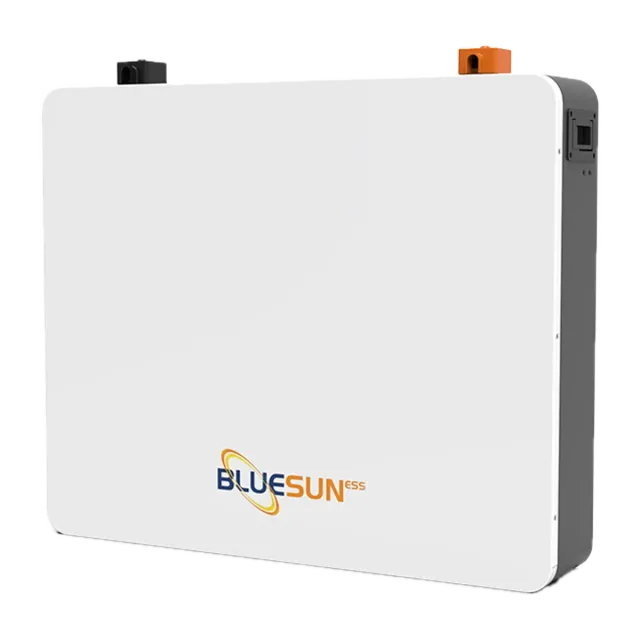
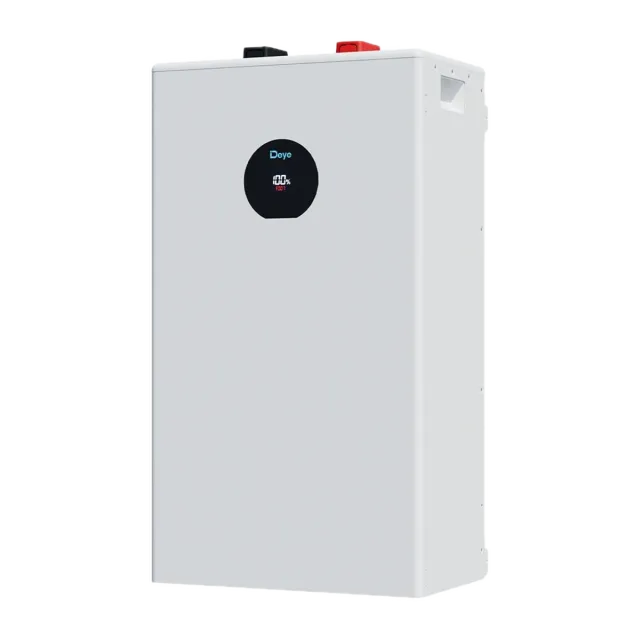
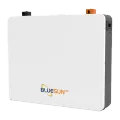
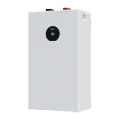
The low-voltage LiFePO4 batteries in the shop have a nominal voltage of 51.2 V: sixteen cells of 3.2 V, the same “48-volt” battery. By voltage, they suit each of these inverters.
The exception is the 4.2 kW Bluesun hybrid inverter for 24 V: it takes 25.6 V batteries. High-voltage batteries are for three-phase hybrid inverters from 30 kW; this is equipment for business.
Capacity: count the usable, not the nominal
A battery is labelled with its nominal energy, but the inverter does not take all of it: part of the charge is left so the battery lasts longer. In the datasheet this is the usable capacity or the depth of discharge, 90% for most batteries.
| Battery | On the label | Usable |
|---|---|---|
| Deye 5.12 kWh | 5.12 kWh | 4.6 kWh |
| Bluesun 10.24 kWh | 10.24 kWh | 9.2 kWh |
| Deye 16 kWh | 16 kWh | 14.4 kWh |
How many hours each of them lasts: how long a house runs on a battery.
Current: how much power the battery delivers
A battery limits not only the stored energy but also the power. The Deye SE-F5 Pro-C delivers up to 100 A continuously, about 5 kW at 51.2 V. For a 10 kW inverter to run on the battery at full power, two such modules are needed; for 16 kW, four.
The inverters in the shop receive data from the lithium battery’s BMS over RS485 or CAN and charge it within the limits it allows. Whether a particular battery and inverter work together depends on the communication protocol: if in doubt, ask us before ordering.
How many batteries to install
Capacity can be expanded: Deye SE-F5 Pro-C is stacked up to 6 modules, Deye SE-F16-C up to 4, Felicity batteries connect in parallel up to 15. It is best to add the same model.