 Company website









In short
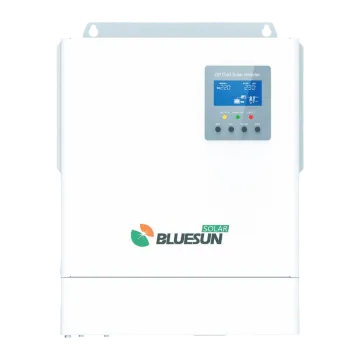
Without grid export
- Grid
- charges the battery and supplies power directly when the battery is flat
- Export to the grid
- no
- Battery
- source priorities: sun, grid, battery
- Price
- from 23,000 ₴
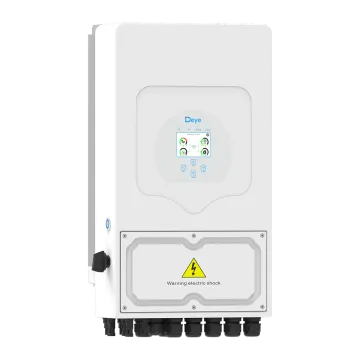
With grid export
- Grid
- works together with the grid, sun and battery
- Export to the grid
- yes, or it can be blocked
- Battery
- charge and discharge schedule
- Price
- from 55,600 ₴
A hybrid without grid export
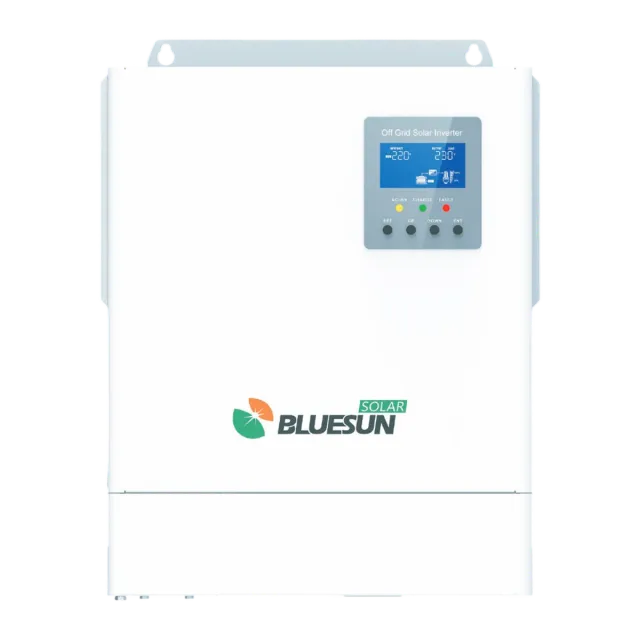
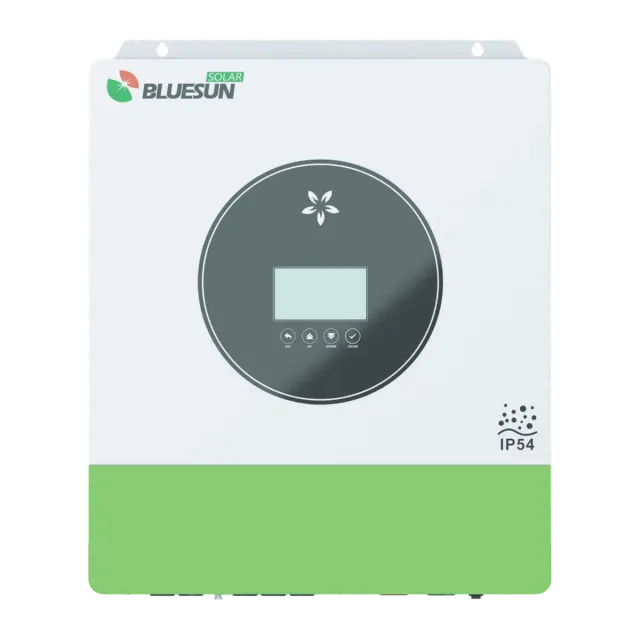
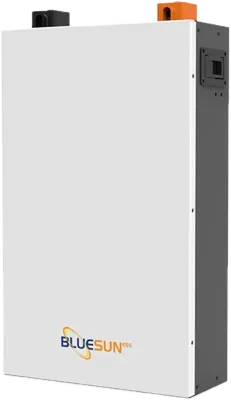
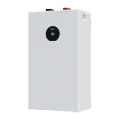
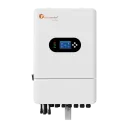
It powers the house from the panels and the battery, and uses the grid to charge the battery and pass power straight through when the battery is flat. It cannot export energy to the grid. This is how Bluesun and the Felicity IVEM work.
When the power goes out, it switches to the battery: the Bluesun 5.5 kW typically in 10 ms, the Bluesun 11 kW in 10 ms for computers and 20 ms for household appliances. It costs less: Bluesun 5.5 kW — 23,000 ₴, 11 kW — 32,000 ₴.
A hybrid with grid export
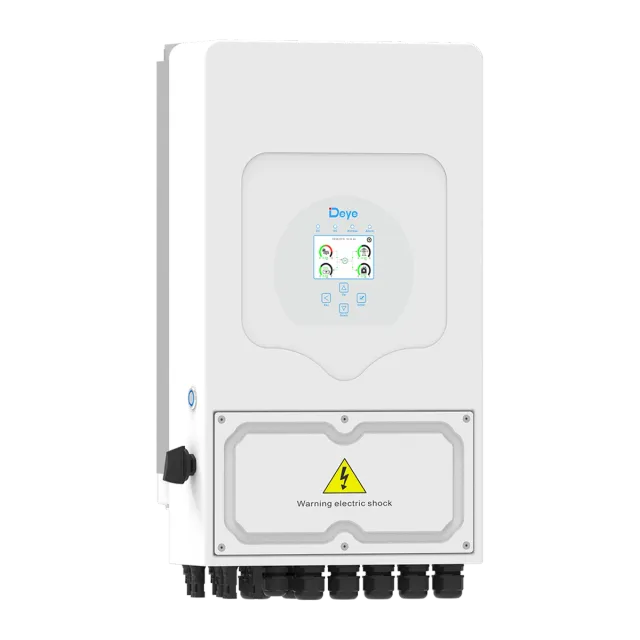
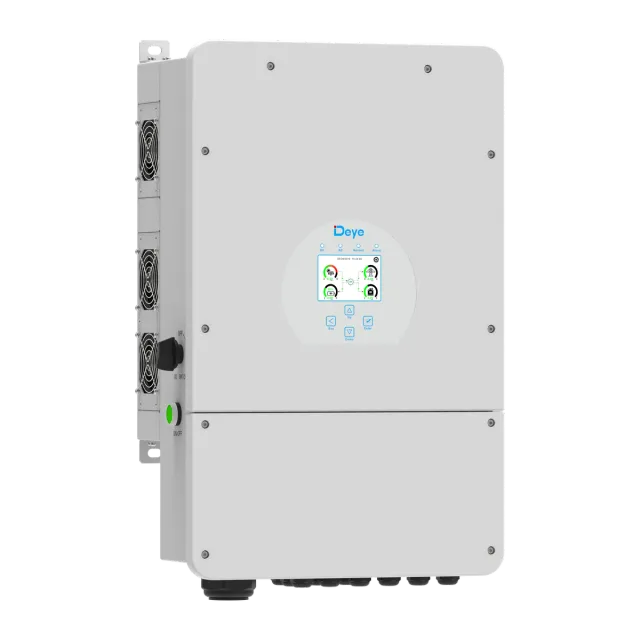
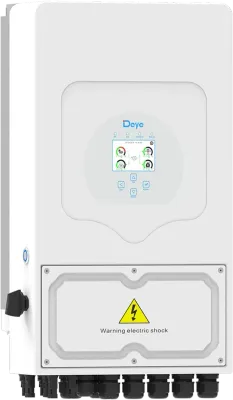
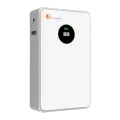
It works together with the grid: it draws energy from the panels, the battery and the grid at the same time and can export surplus solar to the grid. This is how Deye and the Felicity IVGM work. Felicity has Sell-First and Zero Export modes, so export can also be blocked.
The battery can run on a schedule: Deye has six time periods for charge and discharge, Felicity has a Time-of-Use mode. This way the battery is charged at night at the night tariff and used during the day. Deye connects a generator and works together with an already installed grid-tie solar plant.
Which to choose
If you need backup during outages and charging from the sun, a hybrid without grid export is enough. If you want to export surplus to the grid, charge the battery at the night tariff or power a three-phase house with one inverter, take a hybrid with export.
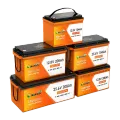
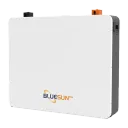
The battery for both is the same, 48 V: how to choose a battery for an inverter.