 Company website










What LiFePO4 is
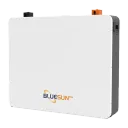
LiFePO4 is a lithium iron phosphate battery, a kind of lithium-ion. One cell has a nominal voltage of 3.2 V: sixteen cells give 51.2 V, the 48 V batteries for inverters, and eight give 25.6 V, the 24 V batteries.
Compared with other lithium batteries, LiFePO4 is more stable when it heats up and lasts more charge cycles, but it is heavier for the same energy. For a battery that works with an inverter at home every day, that is a good trade.
Every battery in the shop has a built-in BMS: it watches the cell voltages, the current and the temperature and disconnects the battery if anything goes out of bounds. How to match a battery to an inverter: a battery for an inverter.
How long it lasts
The life of a LiFePO4 battery is counted in charge and discharge cycles. In the datasheets of the shop’s batteries:
| Battery | Cycles | Design life |
|---|---|---|
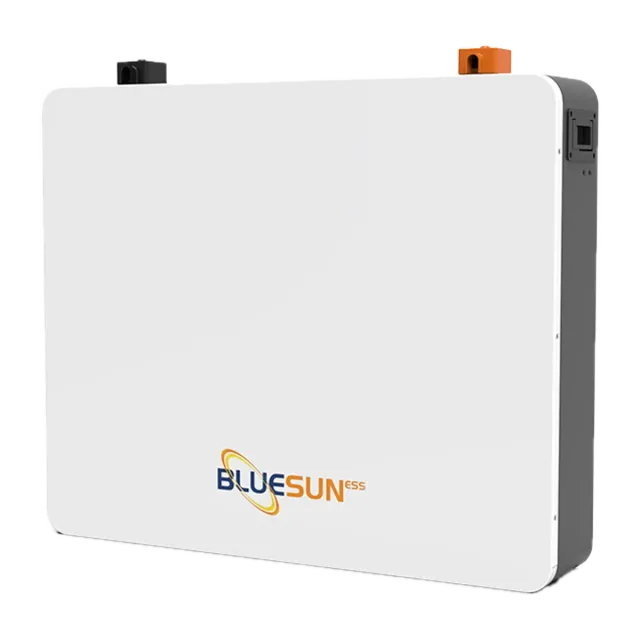
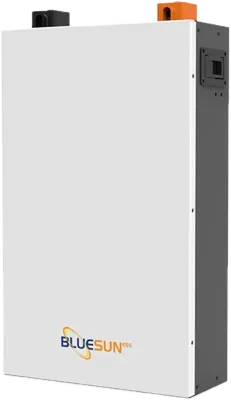
| Bluesun 10.24 kWh | > 6000 | 10+ years |
| Bluesun 16 kWh | > 8000 | 10+ years |
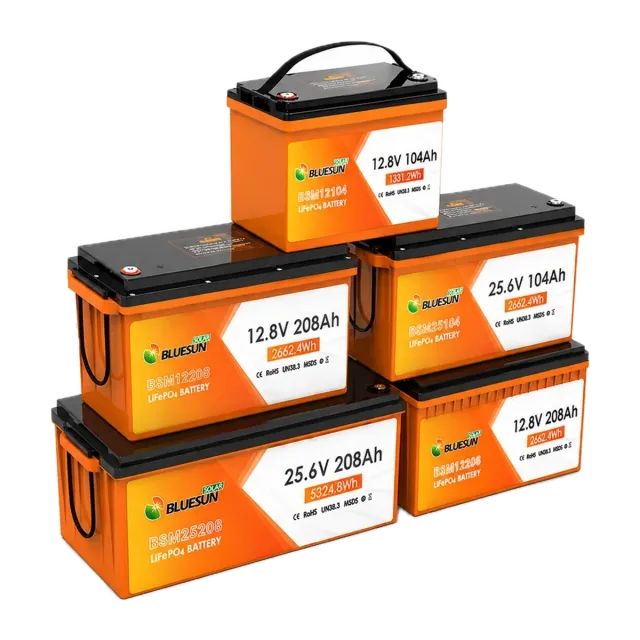
| Bluesun 25.6 В 2.66 kWh | > 6000 at 80% discharge | 5+ years |
One full cycle a day is 365 cycles a year, so 6000 cycles would last over 16 years. But a battery also ages with time, which is why the makers give a design life as well. The shop’s warranty on batteries is 3 years.
Cold: charging from 0 °C
LiFePO4 must not be charged in frost: the BMS will not start charging below the allowed temperature. The battery can discharge in the cold, so it still delivers energy when it freezes.
| Battery | Charge | Discharge |
|---|---|---|
| Bluesun 10.24 kWh | 0 … +50 °C | −10 … +50 °C |
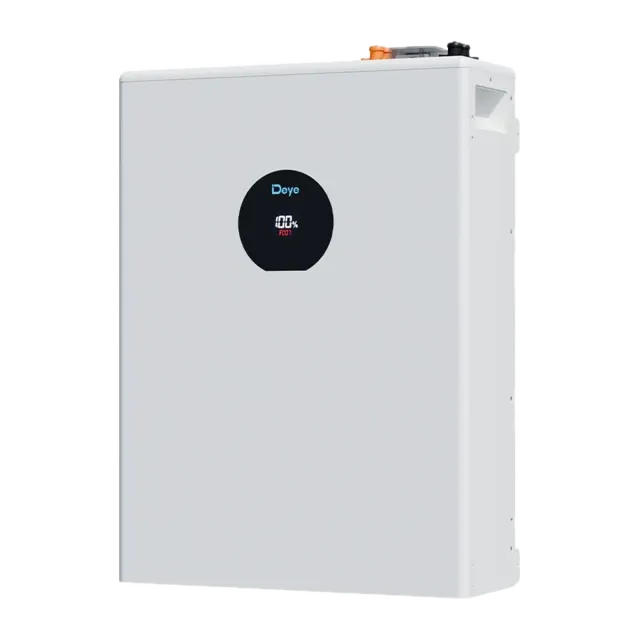
| Deye 5.12 kWh | 0 … +55 °C | −20 … +55 °C |
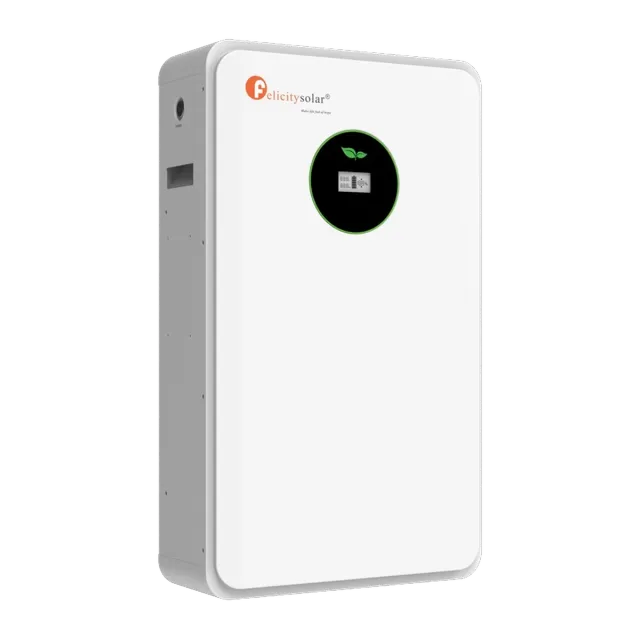
| Felicity 8.75 kWh | 0 … +55 °C | −20 … +55 °C |
| Bluesun 25.6 В 2.66 kWh | −20 … +45 °C with heating | −20 … +55 °C |
That is why the battery goes inside the house, not in a cold attic or an unheated garage. For a cold room there are the Bluesun 25.6 V batteries with heating.
How to make the battery last longer
- Limit the depth of discharge in the inverter: the datasheets give the life at 80–90% discharge, and the less the battery is discharged, the more cycles it lasts.
- Do not “train” the battery with full discharges: LiFePO4 has no memory effect.
- Keep the battery in a dry, warm room: it charges from 0 °C.
- When adding capacity, use the same model.